Diving in Komodo is not a simple transaction when it comes to selecting a dive operator in Labuan Bajo. Komodo National Park offers some of Earth’s most spectacular underwater scenery. Yet its ripping currents and strict new regulations demand careful judgment. You must choose between a locally owned Komodo dive center and an internationally affiliated Labuan Bajo operator. That choice carries consequences extending far beyond the boat deck. Divers face a genuine tradeoff between supporting local livelihoods and accessing the infrastructure that some international operations provide. Understanding that tradeoff helps visitors make decisions aligned with their values without compromising safety.
Diving in Komodo reveals two contrasting worlds.
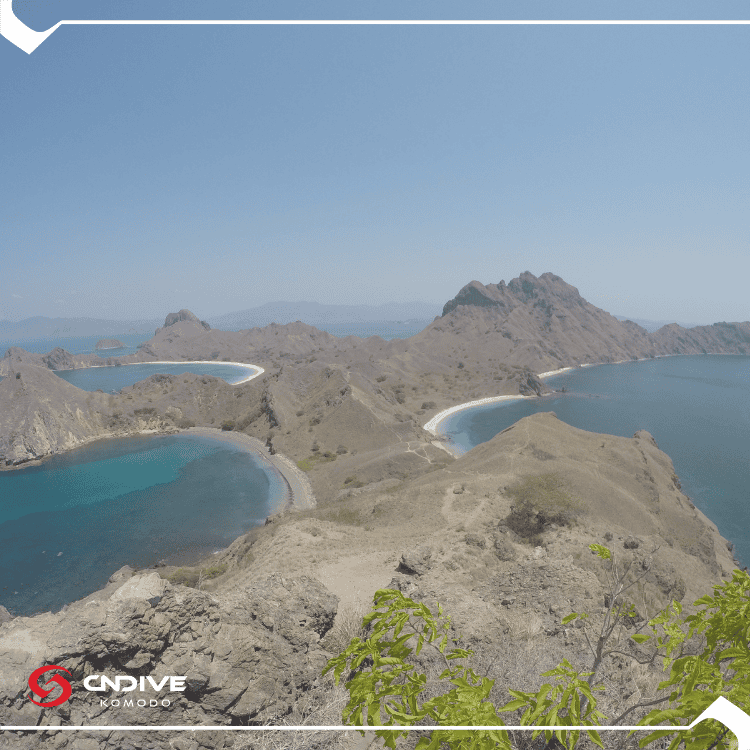
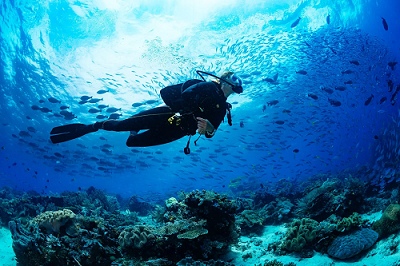
Diving in Komodo delivers world-class rewards alongside genuine hazards. Batu Bolong and Castle Rock have currents reaching three to four knots. Guides must time entries around narrow tidal windows. Peak season runs from May through October with consistent weather. Visibility can reach thirty to forty metres during this period. Cold upwellings and surging conditions remain common, however. This combination of abundance and volatility means that the quality of a dive operator’s judgment matters enormously. A Komodo diving operator that understands local tidal patterns can turn a challenging site into a safe, thrilling experience. One that misjudges conditions can place divers at risk.
Diving in Komodo : Local Ownership and Community Impact
A locally owned dive center Komodo offers distinct advantages rooted in community connection. CN Dive Komodo in Labuan Bajo is an Indonesian-owned operator. It builds its team from divers raised in the Flores Sea region. Such operators emphasize small groups and insider knowledge of local waters. This model keeps tourism revenue within the local economy. However, local ownership has historically faced structural barriers. Local guides face certification gaps, and permitting processes remain cumbersome. These problems make it hard for Indonesian entrepreneurs to compete. Foreign-owned dive centres have dominated the market. Supporting a Labuan Bajo local dive shop helps address this imbalance, but only if the operator meets robust safety standards.
Diving in Komodo. The Safety Question: Standards, Ratios, and Accountability
Safety standards vary significantly across Komodo diving operators. Reputable centres maintain maximum diver-to-guide ratios of four to one, and some reduce that to two to one for beginners. Essential equipment includes surface marker buoys, personal dive computers, and emergency oxygen on every boat. A recompression chamber sits minutes away in Labuan Bajo. For any Labuan Bajo dive operator, ask one practical question: who operates the boat? Booking agents may place divers on another company’s vessel. That can obscure accountability if plans change at sea. A Komodo dive resort with its own fleet, filling station, and permanent team usually offers clearer responsibility. Smaller local operators can still meet these standards through careful partnerships.
Diving in komodo brings unique regulatory pressures and environmental responsibility.
Komodo National Park now operates under a daily visitor cap of one thousand people, implemented in April 2026 to address overcrowding that saw daily footfall exceed 1,700 during peak months. A “20-minute rule” requires vessels to stagger entries at popular sites such as Batu Bolong and Crystal Rock, and the system relies on real-time radio coordination among captains rather than rigid government time slots. These measures protect fragile reefs and improve diver safety, but they also create tension. Local tourism operators have raised concerns that quota restrictions reduce income during high season, and some question whether cruise passengers receive looser access than regular visitors. Choosing an operator committed to these rules supports conservation, yet the economic burden falls unevenly on smaller local businesses.
Diving in komodo. Navigating the Tradeoffs as a Diver
No single model solves every tension. A locally owned dive centre may offer deeper community ties and more intimate groups, while a larger Komodo dive resort may provide greater infrastructure and formal certification pathways. The most reliable approach involves verifying concrete facts rather than marketing claims: group ratios, boat ownership, park fee inclusion, and emergency protocols. Divers who prioritise local economic impact can seek out Indonesian-owned operators that maintain rigorous safety standards, and they can ask directly how the business invests in local guide training. Those who prioritise maximum infrastructure may choose established international centres, but they should recognise that this choice channels revenue differently. In Komodo’s high-current environment, the decision carries weight for personal safety and for the communities that steward the park.
Diving in Komodo. Conclusion
The right dive operator Komodo is not simply the cheapest or the most conveniently booked. It is the one whose practices align with the diver’s priorities while meeting non-negotiable safety thresholds. Locally owned dive centers in Labuan Bajo deserve support, but that support should come with honest scrutiny of their safety records and operational capacity. Similarly, international operators bring resources but must demonstrate genuine commitment to local employment and environmental rules. By asking precise questions and weighing the tradeoffs openly, divers can contribute to a tourism model that keeps Komodo’s reefs and communities thriving together.